Mold testing identifies whether mold is present and what type it is, while mold remediation physically removes and treats the mold. Most Burbank, CA homeowners need remediation, but testing is what tells you the full scope of the problem before and after the work is done.
This article breaks down the key differences between mold testing vs mold remediation, when each is appropriate, what they cost, and how to make the smartest decision for your home or property.
Understand What Mold Testing Actually Does
Mold testing is a diagnostic step. A certified inspector collects air samples, surface swabs, or bulk material samples from your property and sends them to a laboratory for analysis.
The lab identifies the mold species present, measures spore concentration levels, and compares indoor air quality to outdoor baseline readings. This data tells you whether you have a problem, how severe it is, and where it is hiding.
There are three common types of mold testing used in residential and commercial properties:
- Air sampling: Captures airborne spores using a pump and cassette. This is the most common method and reveals overall air quality.
- Surface sampling: A swab or tape lift taken from a visible suspect area. Confirms whether a visible growth is mold and identifies the species.
- Bulk sampling: A physical piece of material (drywall, insulation) is removed and sent for analysis. Used when contamination may be embedded inside building materials.
Testing does not remove mold. It only tells you what you are dealing with. Think of it as the diagnosis before the treatment.
Understand What Mold Remediation Actually Does
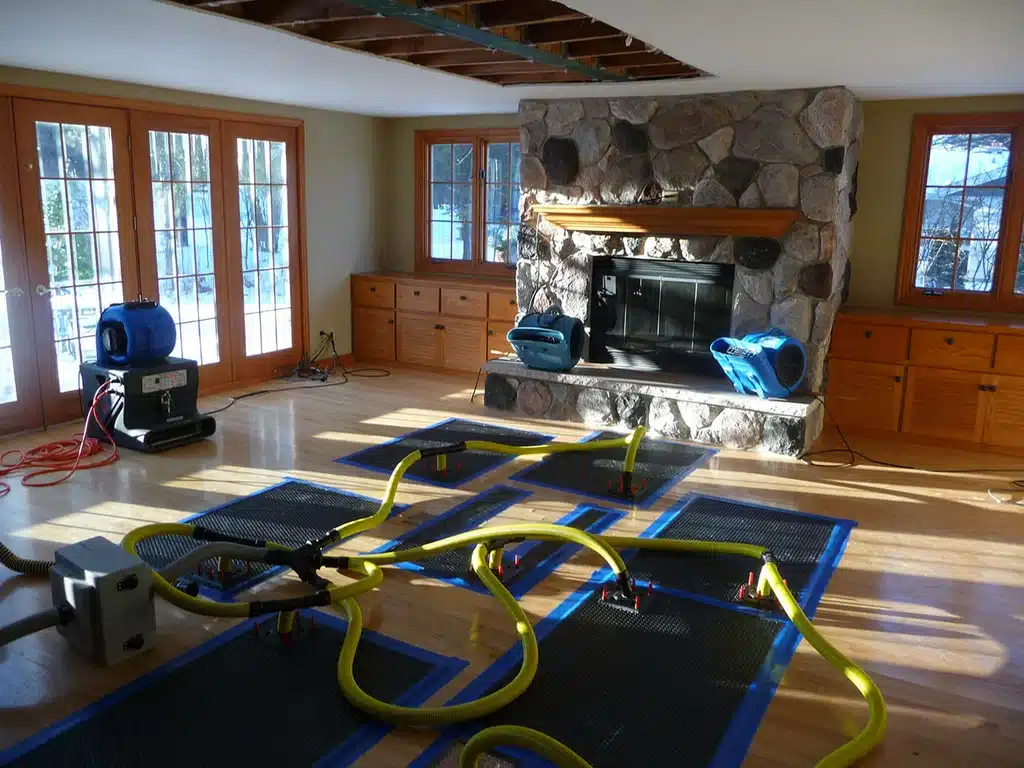
Mold remediation is the active process of removing, containing, and treating mold growth. It goes well beyond spraying a surface with bleach. A proper remediation job addresses both the visible mold and the conditions that allowed it to grow.
At Elevate Pro-Restoration, our remediation process in Burbank, CA follows industry standards set by the IICRC (Institute of Inspection Cleaning and Restoration Certification) and typically includes these steps:
- Containment setup using plastic sheeting and negative air pressure to prevent spore spread
- HEPA air filtration to capture airborne particles during the removal process
- Physical removal of contaminated materials like drywall, insulation, or flooring
- Antimicrobial treatment applied to affected surfaces
- Drying and moisture control to eliminate the root cause
- Clearance testing after work is complete to verify success
Remediation addresses the real problem. Testing tells you whether that problem exists and whether the remediation worked. Both serve different but connected purposes.
Compare Mold Testing vs Mold Remediation: Costs, Timelines, and Goals
Many homeowners assume they need to test before they can remediate, but that is not always true. The right sequence depends on what you already know about your property.
| Factor | Mold Testing | Mold Remediation |
|---|---|---|
| Purpose | Identify and measure mold presence | Remove and treat mold growth |
| Average Cost (Burbank, CA) | $300 to $700 for a full inspection | $1,500 to $6,000+ depending on scope |
| Timeline | 1 to 3 days including lab results | 1 to 5 days depending on severity |
| Who Performs It | Certified mold inspector (independent) | Licensed remediation contractor |
| Result | Lab report with spore counts and species | Clean, treated, and documented property |
| Required for Insurance | Often required to document the claim | The core work covered by some policies |
Note that testing and remediation should ideally be handled by separate companies. This separation avoids a conflict of interest, where a company that profits from remediation is the one deciding how bad your mold problem is.
Decide When You Need Testing, Remediation, or Both
Not every mold situation requires formal testing first. Here is a practical guide for Burbank homeowners and property managers to determine the right path.
You likely need testing only if:
- You smell a musty odor but cannot locate visible mold
- A household member has unexplained allergy or respiratory symptoms
- You are buying or selling a home and want documentation
- You had previous water damage and want to confirm the area is clean
- Your landlord claims there is no mold and you need independent proof
You likely need remediation only if:
- You can visually see mold covering more than 10 square feet
- Mold returned after a previous DIY treatment attempt
- You had a major water intrusion event like a pipe burst or roof leak
- A previous test already confirmed significant mold contamination
You need both if:
- Mold is suspected but not visible and you want to confirm scope before committing to remediation costs
- Your insurance company requires pre and post testing documentation
- The affected area is large or involves HVAC systems where hidden spread is possible
- You are managing a commercial property or multi-unit building in Burbank
Explore Burbank-Specific Mold Risk Factors
Burbank sits in the San Fernando Valley, where dry summers and occasional wet winters create a cycle that increases mold risk in certain types of buildings. While the climate is generally dry, that can be misleading.
Many older Burbank homes were built in the 1950s and 1960s with minimal vapor barriers and older plumbing systems. These properties are at higher risk for slow plumbing leaks that go undetected inside walls, creating the sustained moisture mold needs to grow.
Burbank also sits near the foothills, and properties at lower elevations near the LA River basin can experience groundwater moisture issues in crawl spaces and foundations after winter rains.
| Burbank Property Type | Common Mold Risk Area | Recommended First Step |
|---|---|---|
| 1950s-1960s single family home | Inside walls near older plumbing | Air and surface testing first |
| Apartment or condo unit | Bathroom, under sink, shared walls | Visual inspection plus air sampling |
| Commercial building | HVAC ducts, drop ceilings, server rooms | Full HVAC and air quality testing |
| Newer construction post-2000 | Improper window or roof flashing | Surface sampling at suspected entry points |
| Properties near wash or basin | Crawl space and foundation edges | Bulk sampling of subfloor materials |
The California Department of Public Health recommends addressing water damage within 24 to 48 hours to prevent mold from establishing. In Burbank, Elevate Pro-Restoration responds to moisture and mold calls quickly because that window matters.
Know the Role of Post-Remediation Testing
Post-remediation verification testing is one of the most overlooked steps in the entire mold process. This is clearance testing done after remediation is complete to confirm that spore levels have returned to normal.
Without clearance testing, you are relying entirely on the word of the remediation company that the job was done properly. An independent post-remediation test gives you a third-party confirmation.
This step is especially important if you plan to rent or sell the property, if children or immunocompromised individuals will occupy the space, or if an insurance claim is involved and you need documented proof of resolution.
Post-remediation testing typically costs $200 to $400 for a standard residential property in Burbank. It is a small investment compared to the cost of discovering mold returned six months later because containment failed.
Elevate Pro-Restoration always encourages clients to use an independent inspector for both pre and post testing. We want the results to be trustworthy for everyone involved.
FAQs on Mold Testing vs Mold Remediation
Can I skip mold testing and go straight to remediation?
Yes, in many cases you can. If mold is clearly visible and covers a large area, remediation should begin quickly. Testing is most valuable when mold is suspected but not visible, when you need documentation, or when you want to verify the full scope before paying for remediation.
How much does mold testing cost in Burbank, CA?
A professional mold inspection with air and surface sampling in Burbank typically costs between $300 and $700. The price varies based on property size, number of samples, and whether lab rush fees apply. Always get a written quote that includes lab costs upfront.
Does homeowners insurance cover mold testing and remediation?
It depends on the cause of the mold. Most policies cover mold that results from a sudden covered event like a burst pipe. Mold from long-term neglect or humidity is typically excluded. Your insurer may require a testing report before approving a remediation claim.
How long does mold remediation take in Burbank?
A small contained mold job might take one to two days. A larger project involving multiple rooms, HVAC systems, or structural materials can take three to five days or more. Your remediation contractor should give you a written scope of work and estimated timeline before starting.
Is black mold more dangerous than other types?
The term black mold usually refers to Stachybotrys chartarum, which produces mycotoxins and is a serious health concern. However, many mold species appear black and are less toxic. Only laboratory testing can identify the exact species and determine the actual risk level in your home.
Can mold come back after remediation?
Yes, mold can return if the underlying moisture source was not fully resolved. Proper remediation includes fixing the water intrusion point, not just cleaning the mold itself. Post-remediation testing and a moisture inspection help confirm that conditions no longer support mold growth.
Wrap Up and Next Steps
Mold testing and mold remediation serve different purposes, and understanding the difference helps you make faster, smarter decisions for your property. Testing gives you the data. Remediation does the work. Post-remediation testing confirms it is done.
For Burbank, CA homeowners dealing with visible mold, a musty odor, or a recent water event, the right next step is a professional assessment. Contact Elevate Pro-Restoration at (213) 263-4570 to schedule an evaluation and get clear guidance on whether you need testing, remediation, or both.