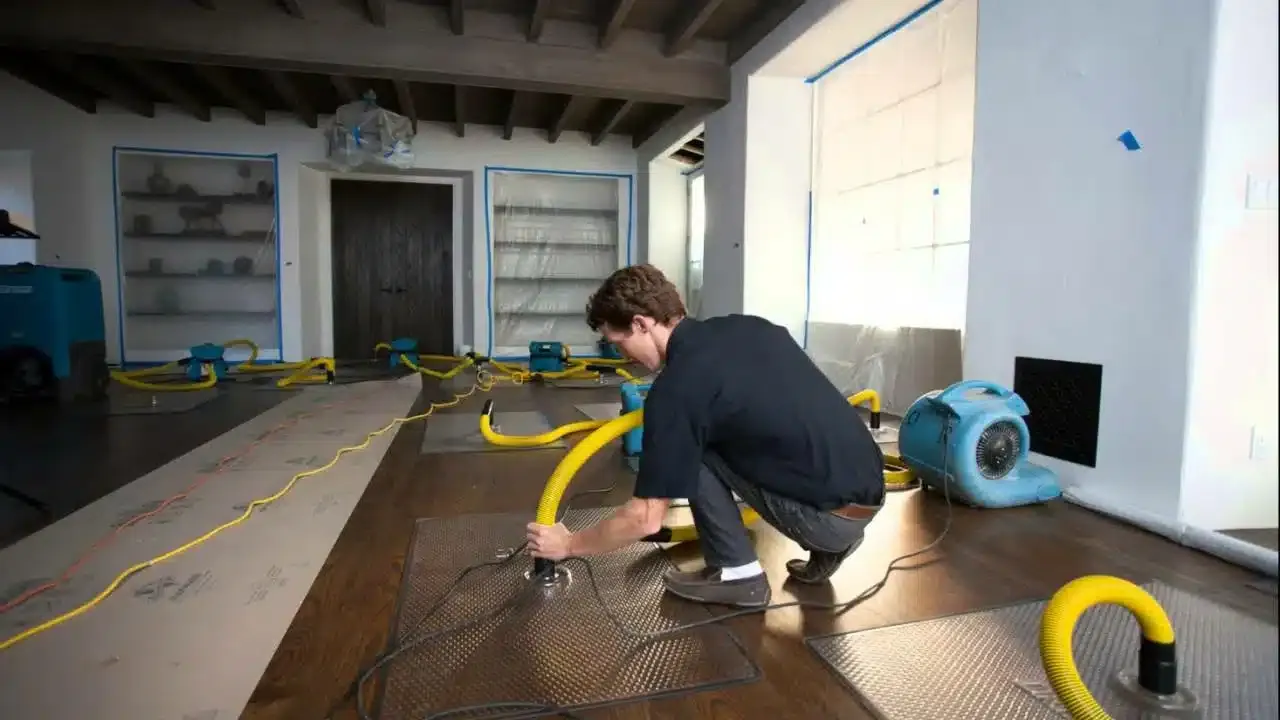
Water damage falls into three official categories: Category 1 (clean water), Category 2 (gray water), and Category 3 (black water). Each category represents a different level of contamination and requires a different response plan.
This guide covers what defines each category, how they apply to real situations in Los Angeles, CA, and what you should do when you discover water damage in your home or building.
Understand What the Water Damage Category System Is
The Institute of Inspection, Cleaning and Restoration Certification (IICRC) created the water damage category system through its S500 standard. Restoration professionals across the country, including here in Los Angeles, use this system to guide cleanup decisions.
The category tells you how contaminated the water is. The higher the category number, the more dangerous the water and the more intensive the remediation process.
This matters because different categories require different protective equipment, drying methods, and disposal procedures. Treating a Category 3 situation like a Category 1 can put people’s health at serious risk.
Keep in mind that water damage categories can change over time. Clean water left untreated for 24 to 48 hours can escalate to a higher category as it absorbs bacteria and contaminants from building materials and surfaces.
Identify Category 1 Water Damage: Clean Water
Category 1 water originates from a sanitary source and poses no health risk at the time of contact. This is the least severe type of water damage in terms of contamination.
Common sources of Category 1 water damage include:
- Broken supply lines or faucets
- Overflowing bathtubs or sinks (with clean water)
- Leaking appliances connected to the water supply line
- Rainwater or snowmelt entering through a roof or window
- Toilet tank leaks (not bowl water)
Even with Category 1 damage, fast action is critical. In Los Angeles, where older plumbing and aging building materials are common, clean water can quickly soak into drywall and subfloor materials.
Once moisture sits for more than 24 to 48 hours, mold growth becomes a real risk. Category 1 water can also escalate to Category 2 or 3 if it contacts contaminated surfaces or materials.
Typical restoration for Category 1 involves extracting standing water, drying with air movers and dehumidifiers, and monitoring moisture levels until everything returns to normal ranges.
Recognize Category 2 Water Damage: Gray Water
Category 2 water contains significant contamination and has the potential to cause illness if a person is exposed to it. It is often called gray water.
Sources of Category 2 water damage include:
- Dishwasher or washing machine overflow
- Toilet overflow with urine but no feces
- Sump pump failures
- Aquarium leaks
- Water that has passed over or through moderately contaminated surfaces
Category 2 water contains bacteria, chemical residues, or biological matter that makes it unsafe to handle without proper protective gear. Restoration professionals must wear gloves and protective clothing during cleanup.
In Los Angeles, sump pump failures are less common than in wetter climates, but Category 2 damage still occurs frequently from appliance overflows and plumbing backups in older multi-unit buildings.
Porous materials like carpet padding and drywall that have been contacted by Category 2 water typically need to be removed and replaced rather than dried in place. This keeps contamination from spreading and prevents future health problems.
Know Category 3 Water Damage: Black Water
Category 3 is the most serious classification. Black water is grossly contaminated and contains pathogenic agents that can cause serious illness or death. This type of water damage requires immediate professional response.
Category 3 sources include:
- Sewage backups or toilet overflows with feces
- Rising floodwater from rivers or storm drains
- Water from beyond the toilet trap
- Standing water that has been sitting long enough to support microbial growth
- Water contaminated with pesticides, heavy metals, or toxic chemicals
After major rain events in Los Angeles, stormwater runoff can carry sewage and chemical pollutants into homes and commercial properties. This makes it a Category 3 situation even if the water source initially appears to be rainwater.
The team at Elevate Pro-Restoration treats every Category 3 job with full containment protocols. This includes negative air pressure, HEPA air scrubbers, and full protective gear to prevent cross-contamination.
All porous materials that contact Category 3 water must be removed and properly disposed of. This includes drywall, insulation, carpet, and wood framing that cannot be adequately cleaned and dried.
Compare the Three Categories Side by Side
Here is a direct comparison of all three water damage categories to help you understand the key differences at a glance.
| Category | Name | Contamination Level | Common Sources | Typical Action |
|---|---|---|---|---|
| Category 1 | Clean Water | None (sanitary) | Supply line breaks, overflowing tubs | Extract, dry, monitor |
| Category 2 | Gray Water | Moderate contamination | Washing machine overflow, toilet overflow with urine | Extract, sanitize, remove porous materials |
| Category 3 | Black Water | Severe contamination | Sewage backup, floodwater, storm runoff | Full containment, removal of all porous materials, deep sanitization |
Understanding these distinctions helps you communicate clearly with your insurance company and your restoration contractor. It also helps you set realistic expectations for project timelines and costs.
Understand Water Damage Restoration Costs by Category in Los Angeles
Restoration costs in Los Angeles vary based on the category of water damage, the size of the affected area, and how long the damage has been present before treatment began.
| Category | Average Cost Range (Los Angeles) | Key Cost Drivers |
|---|---|---|
| Category 1 | $1,500 to $5,000 | Area size, drying equipment duration, material replacement |
| Category 2 | $4,000 to $12,000 | Sanitization, material removal, PPE requirements |
| Category 3 | $8,000 to $30,000+ | Full containment, biohazard disposal, structural rebuilding |
These ranges are estimates and can vary depending on your specific property. Los Angeles properties often have higher labor costs compared to other parts of California, and older buildings may require more extensive material removal.
Insurance coverage depends on the cause of the loss, not just the category. Sudden and accidental damage is typically covered, while slow leaks from deferred maintenance are often excluded. Always document damage thoroughly before any work begins.
Elevate Pro-Restoration provides detailed, itemized estimates and can work directly with your insurance adjuster to make sure nothing is missed in the claim process.
Apply This Knowledge to Water Damage Situations in Los Angeles
Los Angeles has unique factors that influence how water damage occurs and how it must be handled. The city’s older housing stock, mixed plumbing materials, and occasional heavy rain events all play a role.
During heavy rainfall, the Los Angeles stormwater system can become overwhelmed, leading to backups in older sewer lines. This is a Category 3 scenario that requires immediate professional response.
Many Los Angeles homes and apartment buildings have cast iron drains that corrode over time. A corroded drain that fails inside a wall can go undetected for weeks, turning what started as Category 1 damage into a Category 2 or 3 situation with mold growth.
Los Angeles also has specific regulations around mold remediation and contractor licensing. Any company performing water damage restoration in the city must hold the appropriate California contractor licenses. Elevate Pro-Restoration is fully licensed and certified for water and mold remediation work throughout the Los Angeles area.
If you are a property manager in LA, knowing these categories also helps you fulfill your duty of care to tenants. Documenting the category of damage and your response timeline can protect you legally if a tenant later raises health concerns.
FAQs on Water Damage Categories Explained
Can Category 1 water damage turn into a more serious category?
Yes, it can. Clean water that sits untreated for 24 to 48 hours can absorb bacteria and other contaminants from building materials, elevating it to Category 2. After 72 hours or more, the risk of mold growth and further escalation increases significantly. Fast response is the best way to keep Category 1 from becoming a bigger problem.
Is Category 3 water damage always caused by sewage?
Not always. Category 3 refers to any water with severe contamination, which includes floodwater, storm runoff, and water that has been standing long enough to become heavily contaminated with microbial growth. In Los Angeles, stormwater after heavy rains can carry sewage and chemical pollutants, making it a Category 3 event even without a direct sewage backup.
How do I know what category my water damage is?
A certified restoration professional will assess the source of the water, how long it has been present, and what materials it has contacted. They may also use moisture testing and sometimes microbial testing to confirm the category. You should not attempt to self-diagnose Category 3 situations, as exposure can be hazardous to your health.
Does my homeowners insurance cover all three categories?
Coverage depends on the cause of the loss, not specifically the category. Most standard homeowners policies cover sudden and accidental water damage, which could include any of the three categories. However, flood damage from external stormwater typically requires a separate flood insurance policy. Review your policy and talk to your insurer right after any water damage event.
How long does restoration take for each category?
Category 1 restoration typically takes 3 to 5 days for drying, with additional time for any repairs. Category 2 can take 5 to 10 days depending on material removal and sanitization needs. Category 3 projects may take 2 to 4 weeks or longer, particularly if structural components need to be replaced and rebuilt. These are general ranges and depend on the specific size and conditions of the loss.
Can I clean up water damage myself if it is Category 1?
You can manage very minor Category 1 incidents, like a small appliance leak on a hard floor, with consumer-grade equipment. However, water that has soaked into walls, floors, or subfloor materials requires professional drying equipment to prevent mold. Without industrial air movers and dehumidifiers, moisture trapped inside building materials will lead to bigger problems later.
Wrap Up and Next Steps
Water damage categories explained in simple terms come down to one thing: contamination level. Category 1 is clean, Category 2 is moderately contaminated, and Category 3 is severely contaminated. The category determines how quickly you need to act and what kind of restoration work is required.
If you have water damage in your Los Angeles home or property, do not wait to find out what category it is. Time always makes water damage worse, no matter the category.
Contact Elevate Pro-Restoration at (213) 263-4570 for a fast, professional assessment. Our team serves Los Angeles, CA and surrounding areas, and we are ready to respond quickly to protect your property and your health.